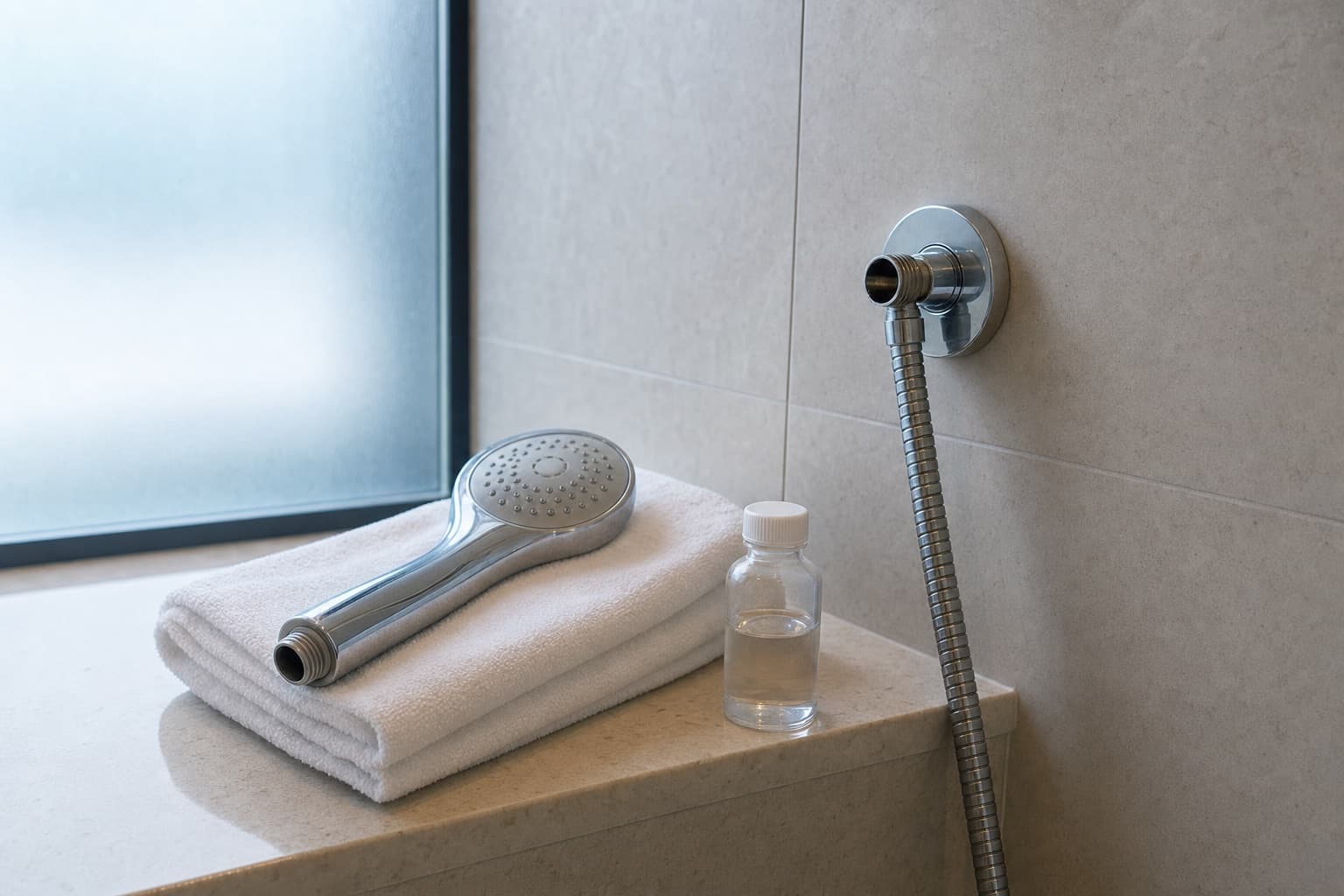
Hotels: intermittent occupancy is the whole problem
Hotels have the water system of a large residential building and the occupancy pattern of nothing else: rooms empty for weeks, whole wings closed out of season, and a guest population that turns over daily.
Stagnation is the defining condition
A guest room that has not been sold for three weeks is a dead leg with a bathroom attached. Multiply that by a low season, a refurbishment floor and a wing kept for peak weekends, and a hotel's water system spends much of the year in a state its designer did not have in mind.
That is why flushing regimes are the backbone of hotel programmes, and why housekeeping is part of the water management team rather than an afterthought. A written flushing schedule, actually recorded, is worth more than an extra round of samples.
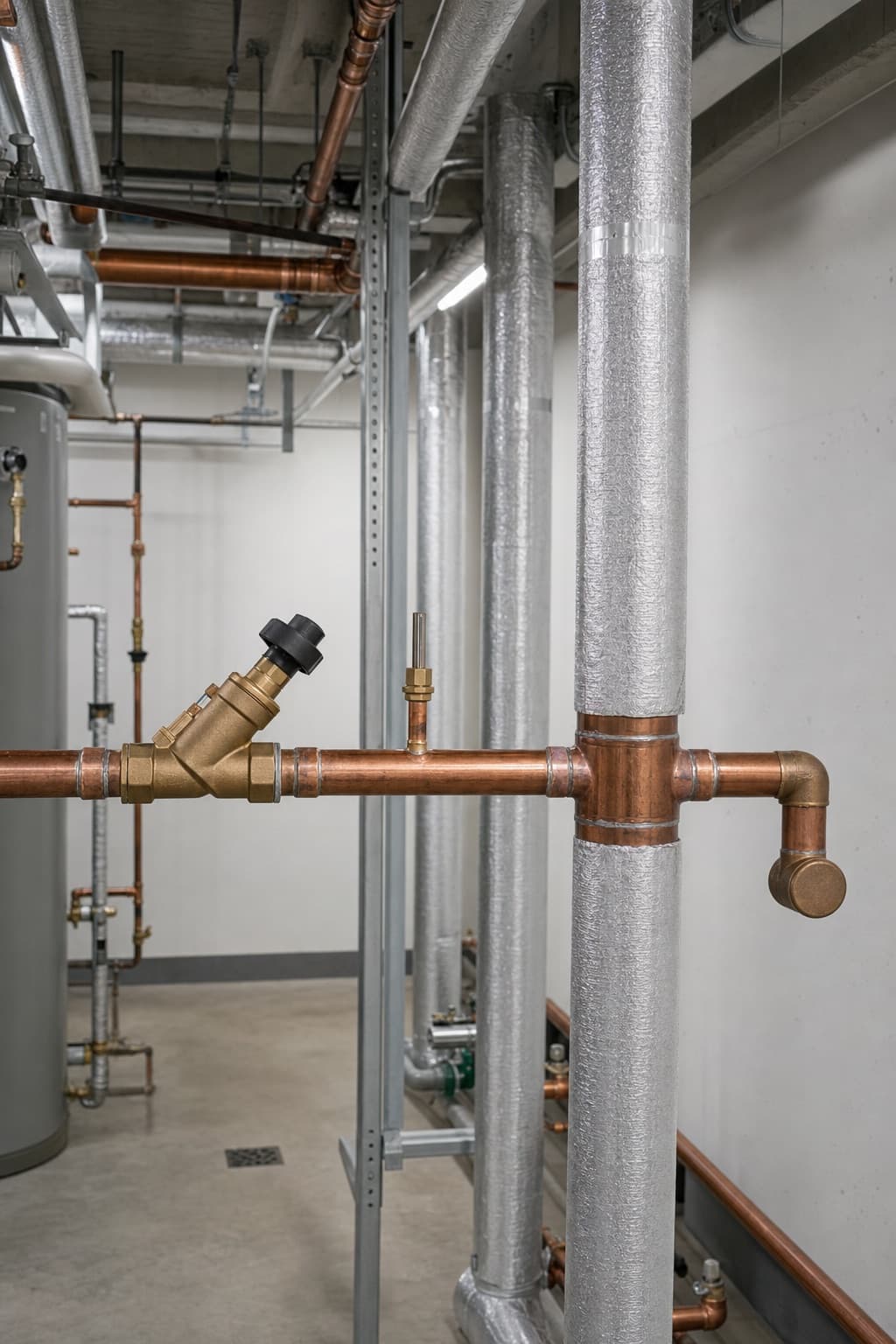
The systems beyond the guest rooms
- Spa and pool systems, including therapy pools and hot tubs, which have their own treatment and their own scrutiny.
- Cooling towers serving the building.
- Decorative fountains and misting on terraces.
- Kitchen and laundry hot water, which often runs at different temperatures from the guest system.
- Irrigation and any recycled water, where present.
Spa and pool systems in particular attract specific rules in many jurisdictions, and they are frequently managed by a different contractor from the building’s water systems, which is exactly how gaps appear. See cooling towers for the other separate circuit.
Reopening after a closure
Reopening a property, a floor or a seasonal wing is the single most predictable moment to plan around, and one of the few where the sequence genuinely matters.
- Decide the sequence before the closure ends, not on the morning guests arrive.
- Flush systematically, with a record of what was flushed and for how long.
- Confirm that hot water is reaching its intended temperature at the far end of the loop, not just at the heater.
- Sample where the programme says to sample, allowing laboratory turnaround before occupancy where possible.
- Record all of it, because the record is what an insurer or an authority will ask to see.
The commercial reality nobody says out loud
Hotel operators are often reluctant to test because a result creates a record. That instinct is understandable and it is backwards: an unrecorded system is not a safer system, and a programme with results and documented responses is a far better position than an absence of both.
The response plan is what makes this manageable. Deciding in advance what happens at what level, in writing, converts an alarming call into a procedure.
Frequently asked
Do we have to tell guests?
Communication obligations depend on the jurisdiction and on the situation, and where illness is involved they are directed by public health authorities. [To be verified before publication.] This is a question for your legal counsel and the health department, not for a website.
Are spas and pools covered by the same programme?
They are usually addressed separately, with their own treatment and often their own regulatory regime, but they should sit inside the same overall programme so nothing falls between two contractors.
How do we handle rooms that are rarely sold?
With a flushing regime that is scheduled and recorded, and by including some of those rooms in the sampling plan rather than sampling only the busy floors.
Last reviewed July 29, 2026.
Related pages
- Commercial buildingsMap a building before designing a plan for it.
- Water management programmesPut testing in its proper place, downstream of a programme.
- Urgent situationsGet pointed to the right authority fast, then scope testing.
- Sampling and analysisSpecify sampling rather than accept whatever is offered.
Describe the property
Rooms, wings, spa and pool systems, cooling towers, and the occupancy pattern across the year. Providers who work with hotels expect all five.
Legionella Screen samples building water systems and cooling towers and has the samples analysed by culture in an accredited laboratory. It does not diagnose illness, does not treat anyone, and gives no medical advice of any kind.