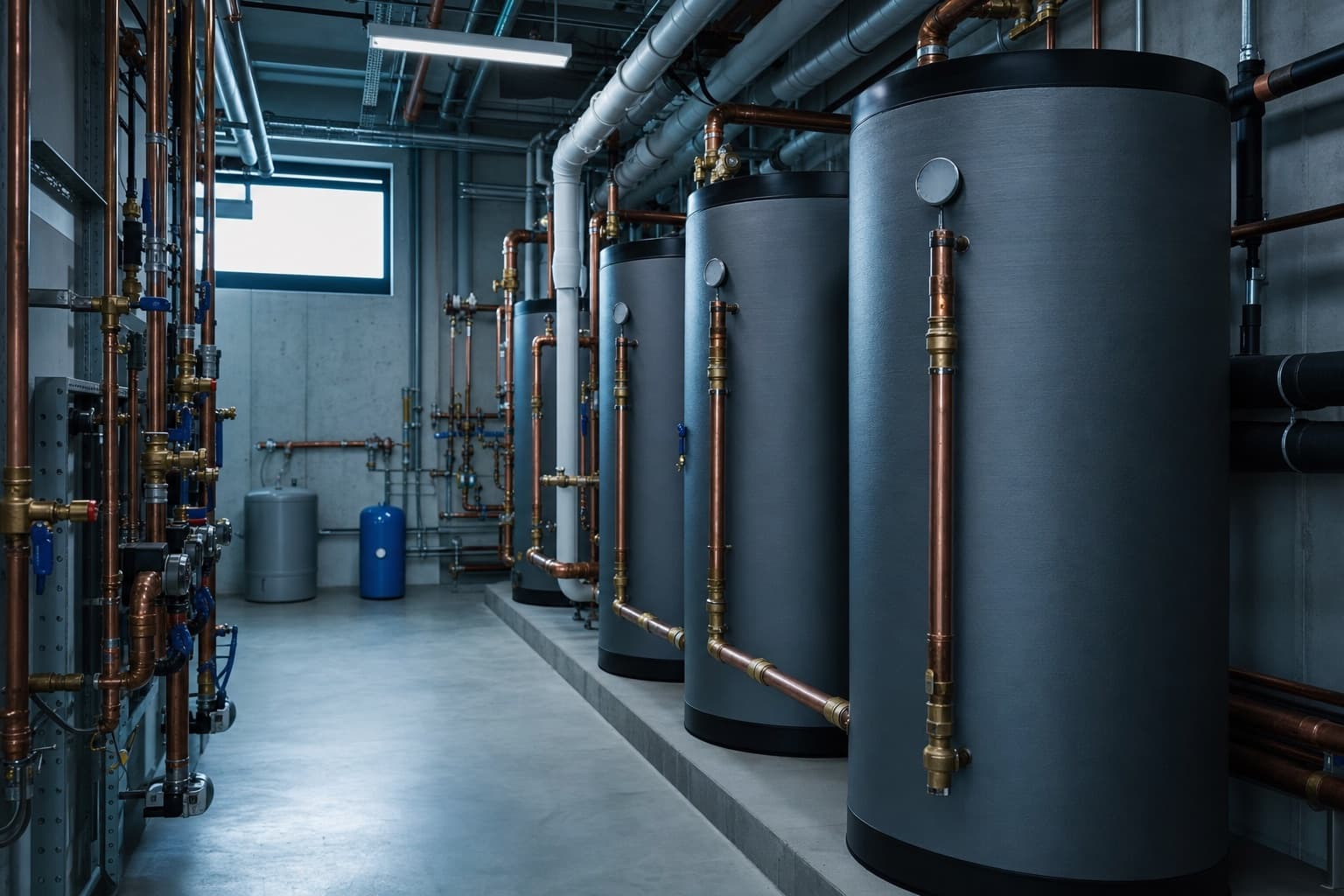
Buildings, cooling towers, spa pools
What your building is required to do, and who is accredited to do it
Most buildings do not need a test first. They need a water management program, and the sampling that belongs inside it. This site sets out what the program has to contain, and lists the laboratories on the CDC ELITE roster that can run the culture.
This site is about water systems, not people. If you are concerned that someone is unwell, contact a doctor or your local health department. Nothing on this site is medical advice.
The plan before the bottles
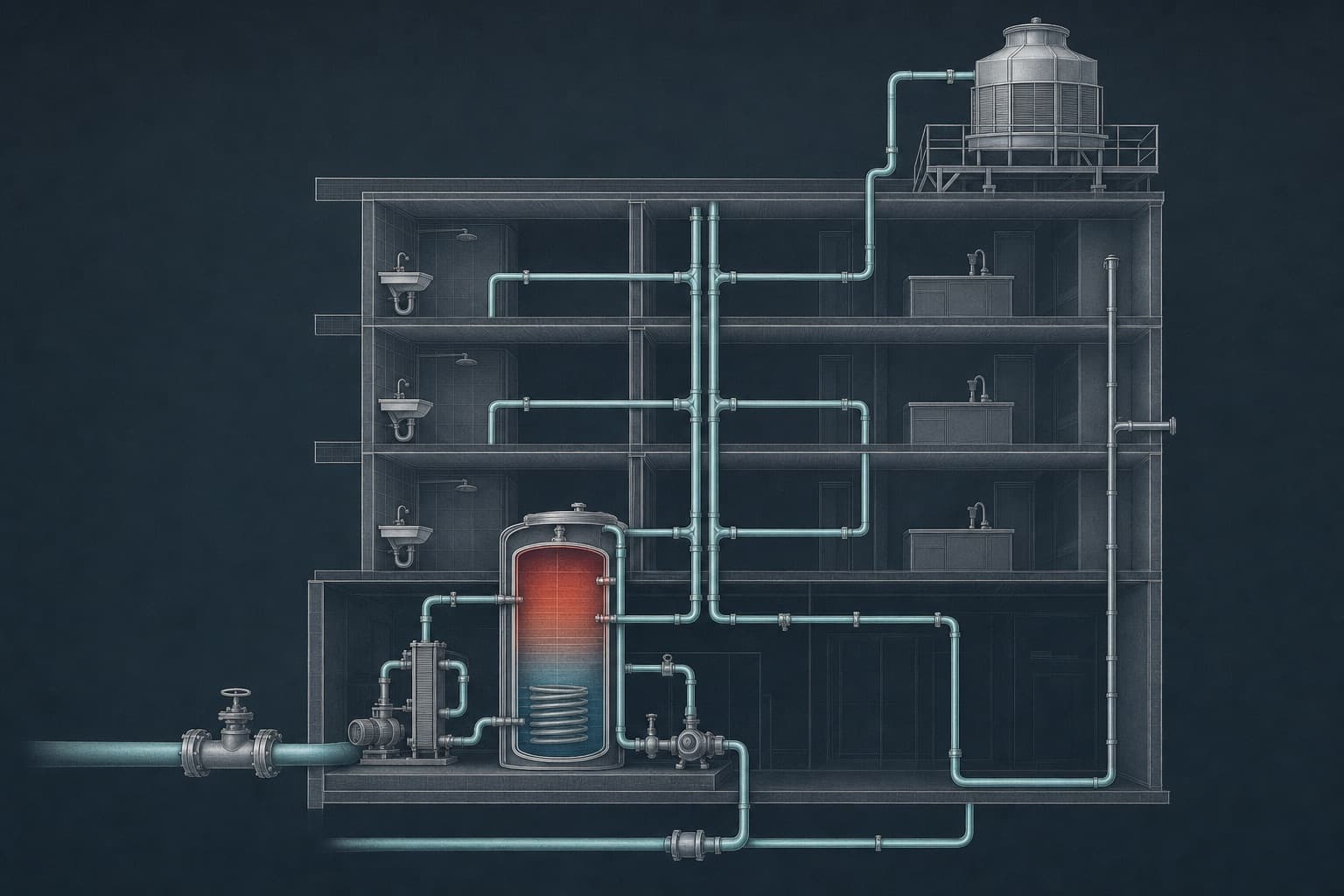
A sampling plan is drawn on the schematic, not made from the taps nearest the door. Where the samples come from decides what the result is worth.
We sell nothing that is tested
No chemicals, no dosing contracts, no remedial works, no sampling, no analysis, no commission on any of them. A company that supplies the treatment has a reason to conclude you need more of it.
Water systems, not people
This site is about pipework, tanks and towers. It does not interpret a result as a health matter, because that is a clinical judgment made by clinicians.
Three systems, one discipline
The organism does not care which system it is in. What differs is where it can hide, and therefore where a sample has to come from.
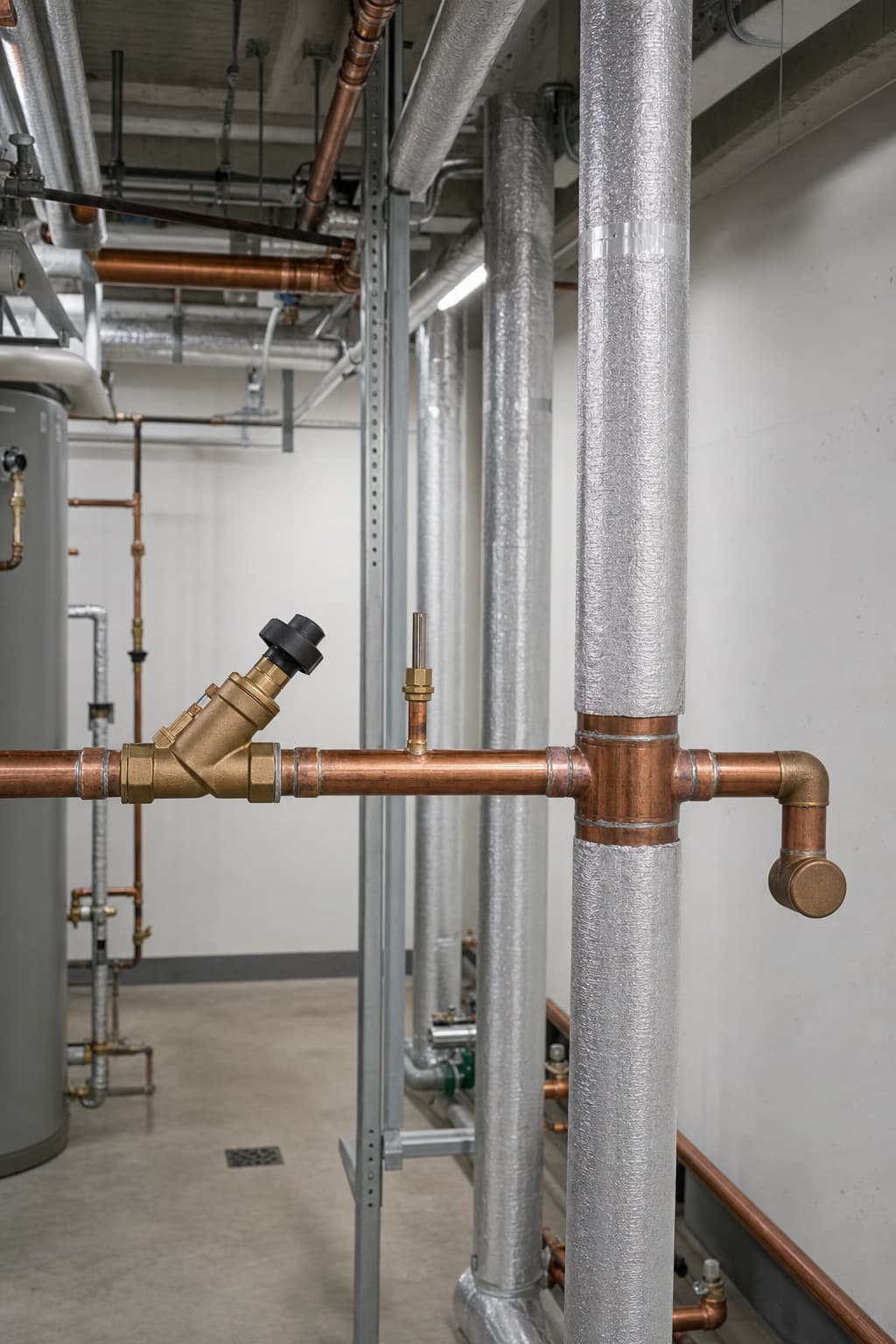
Building water systems
Generation, storage, distribution, recirculation, and the dead legs left behind by every refurbishment.
What it involves→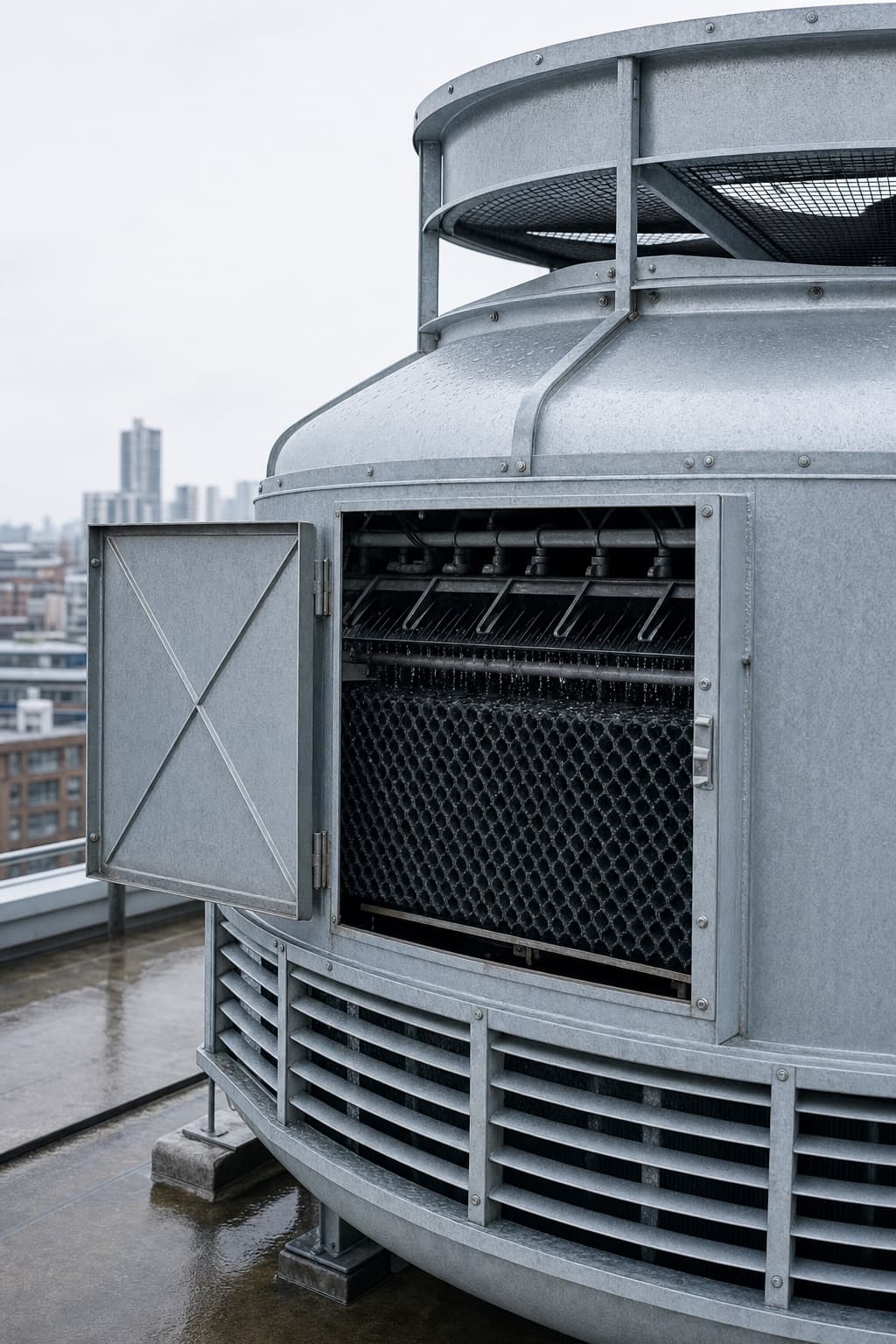
Cooling towers
Basin sediment, biofilm on the fill, drift eliminators. Findings a chemistry report cannot contain.
What it involves→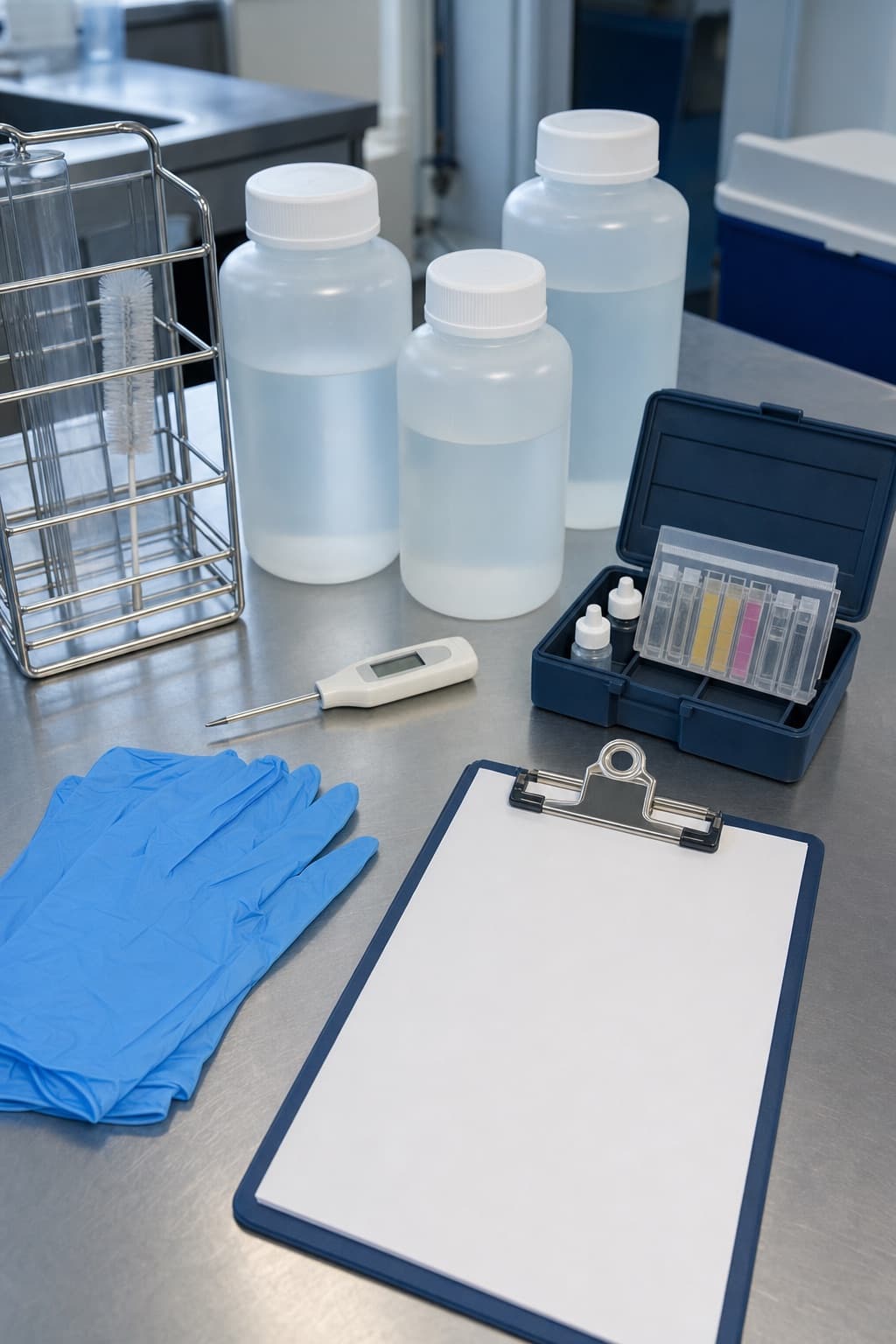
Sampling and analysis
Sterile bottles, recorded temperature and residual, chain of custody, holding time. What a competent round looks like, so you can tell one from a commodity quote.
What it involves→Where it hides
The dead leg nobody can see on a walk-round
A branch to a removed fixture, an oversized run to an outlet nobody uses, a capped tee left after a refurbishment. Warm, still, and connected to everything else. Invisible in the corridor and obvious on the drawing, which is why a sampling plan starts on the schematic.
What a result is worth
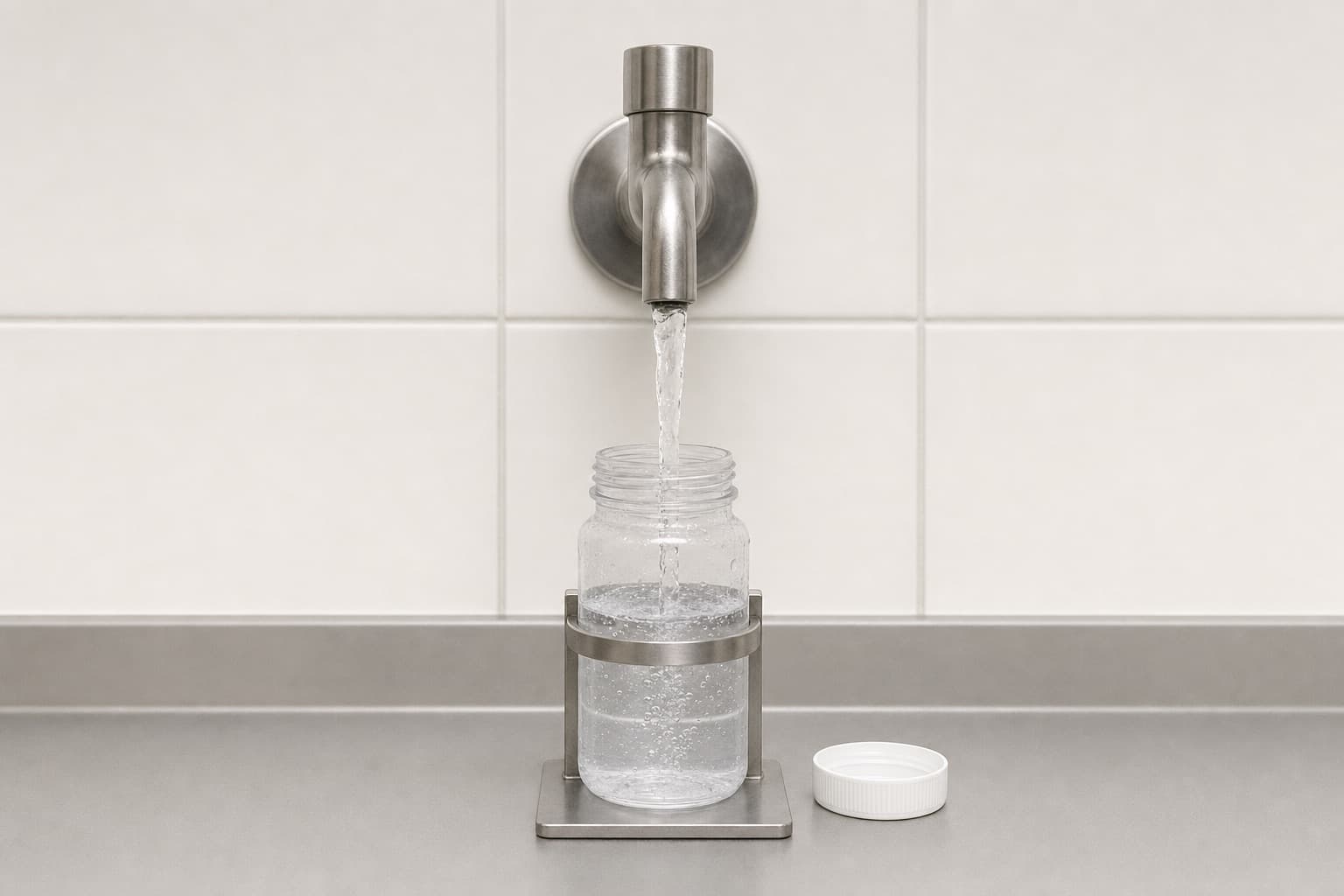
One bottle answers one question, on one day

In use
An outlet in service, running clear. Nothing here looks like a problem, which is exactly why a sampling plan is written from the layout of the system rather than from what someone noticed.
Sampled
One bottle answers one question, at one point, on one day. What that answer is worth depends entirely on where the point was, whether the outlet was flushed first, and how fast the bottle reached the laboratory.
Controlled
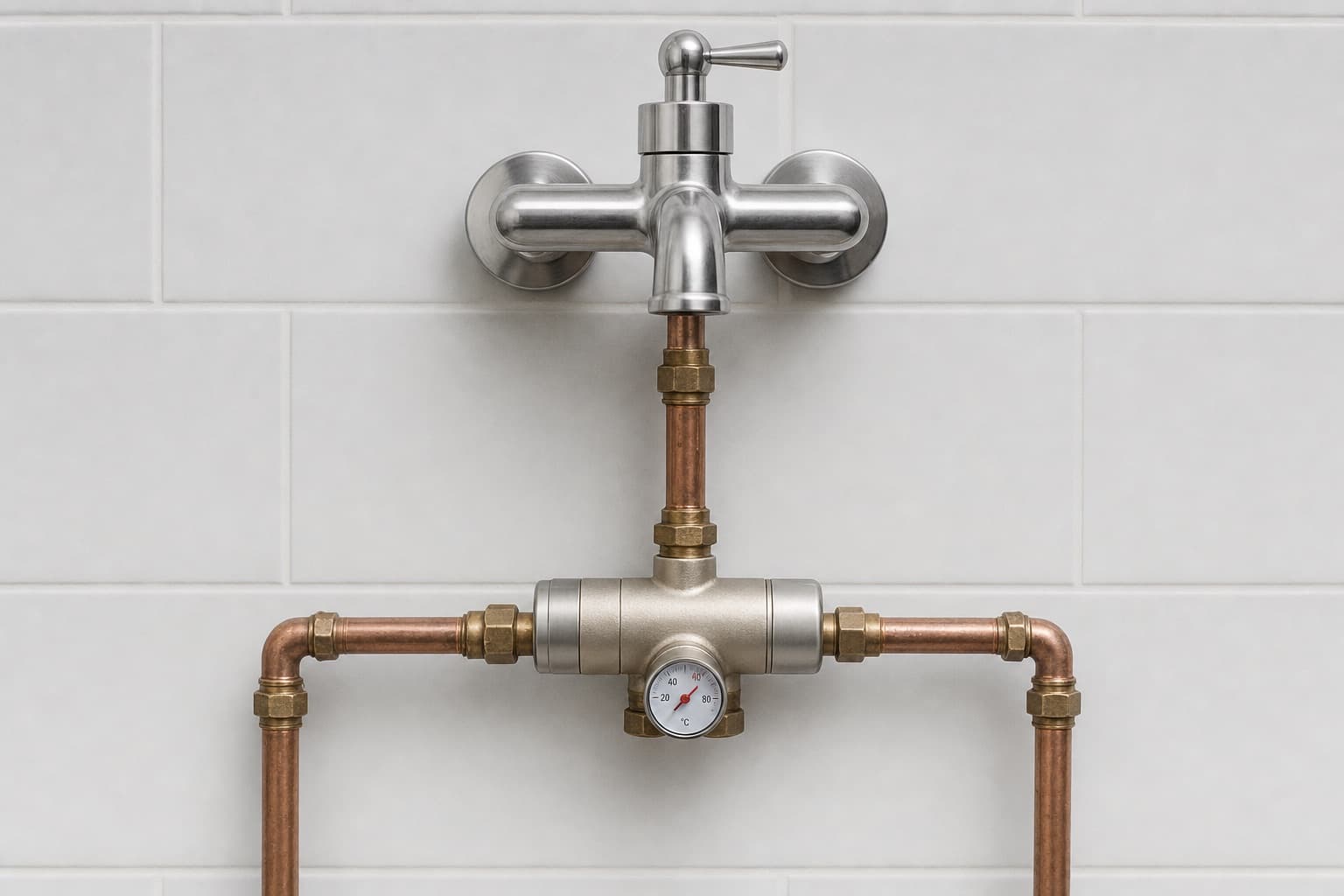
A result changes something or it changed nothing. Temperature control at the outlet, a dead leg removed, a mixing valve set and logged: that is what a follow-up sample is meant to confirm.
Where this work happens
Five systems, five different questions
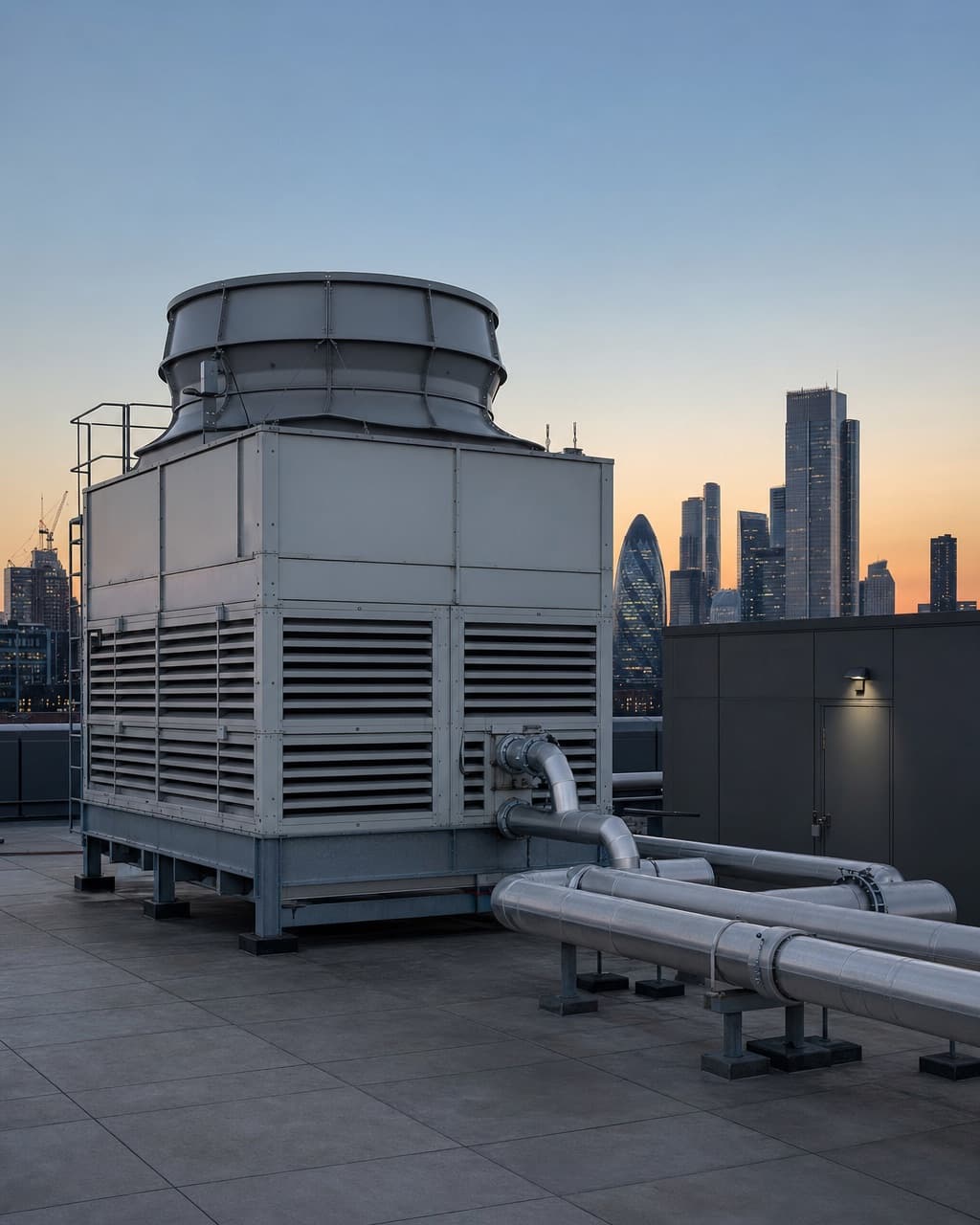
Commercial roof
Cooling tower
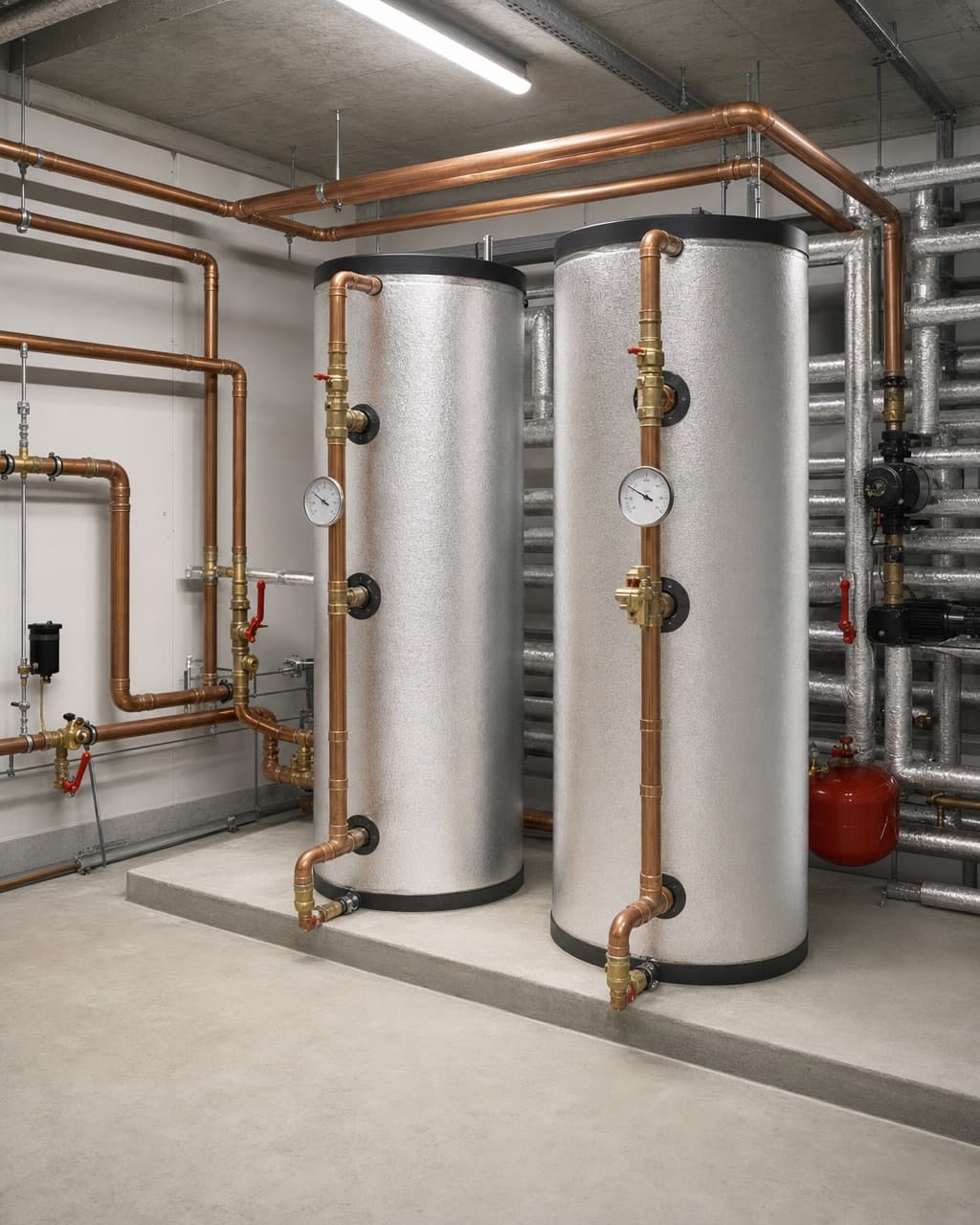
Hotel plant room
Calorifiers
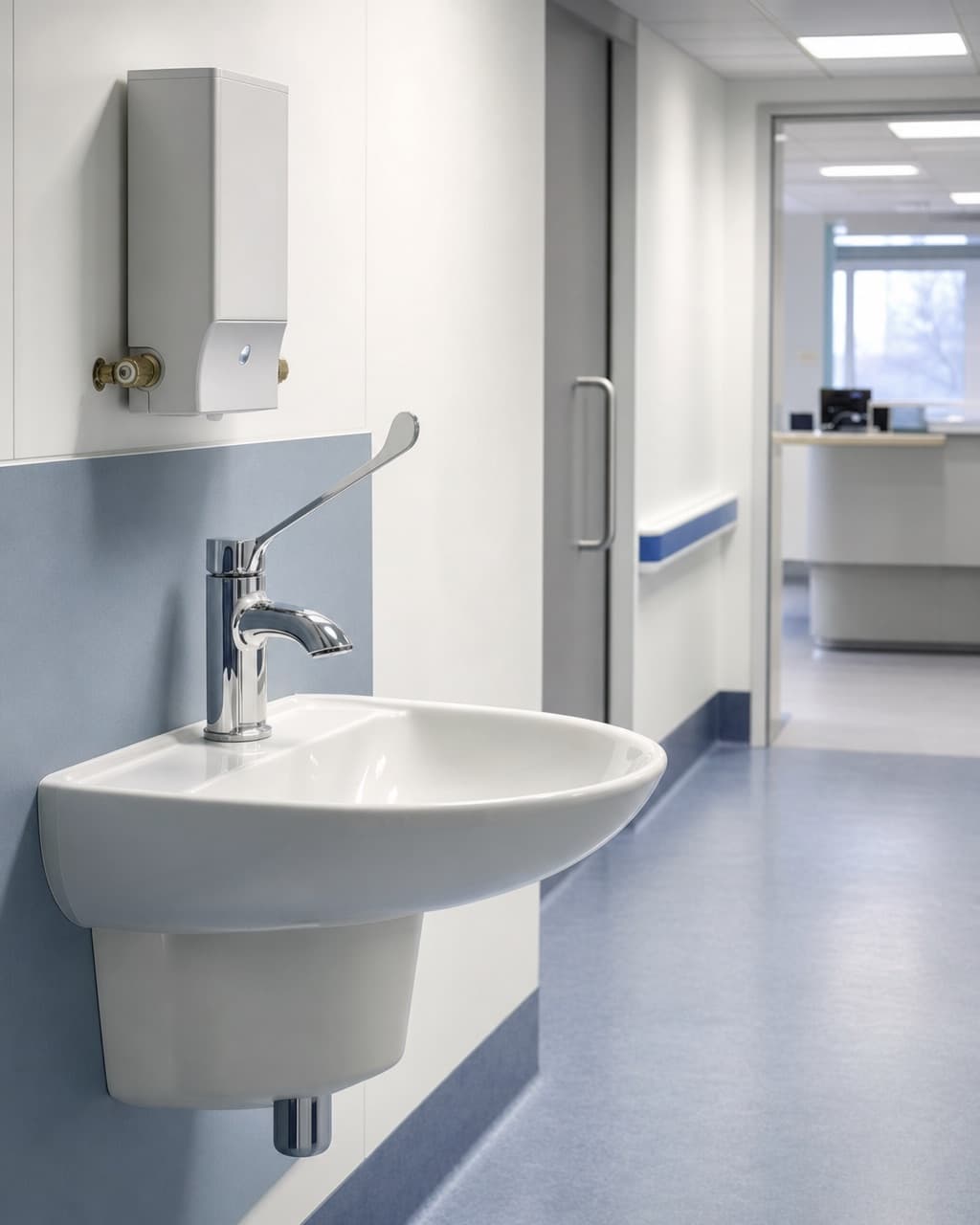
Healthcare
Clinical outlet
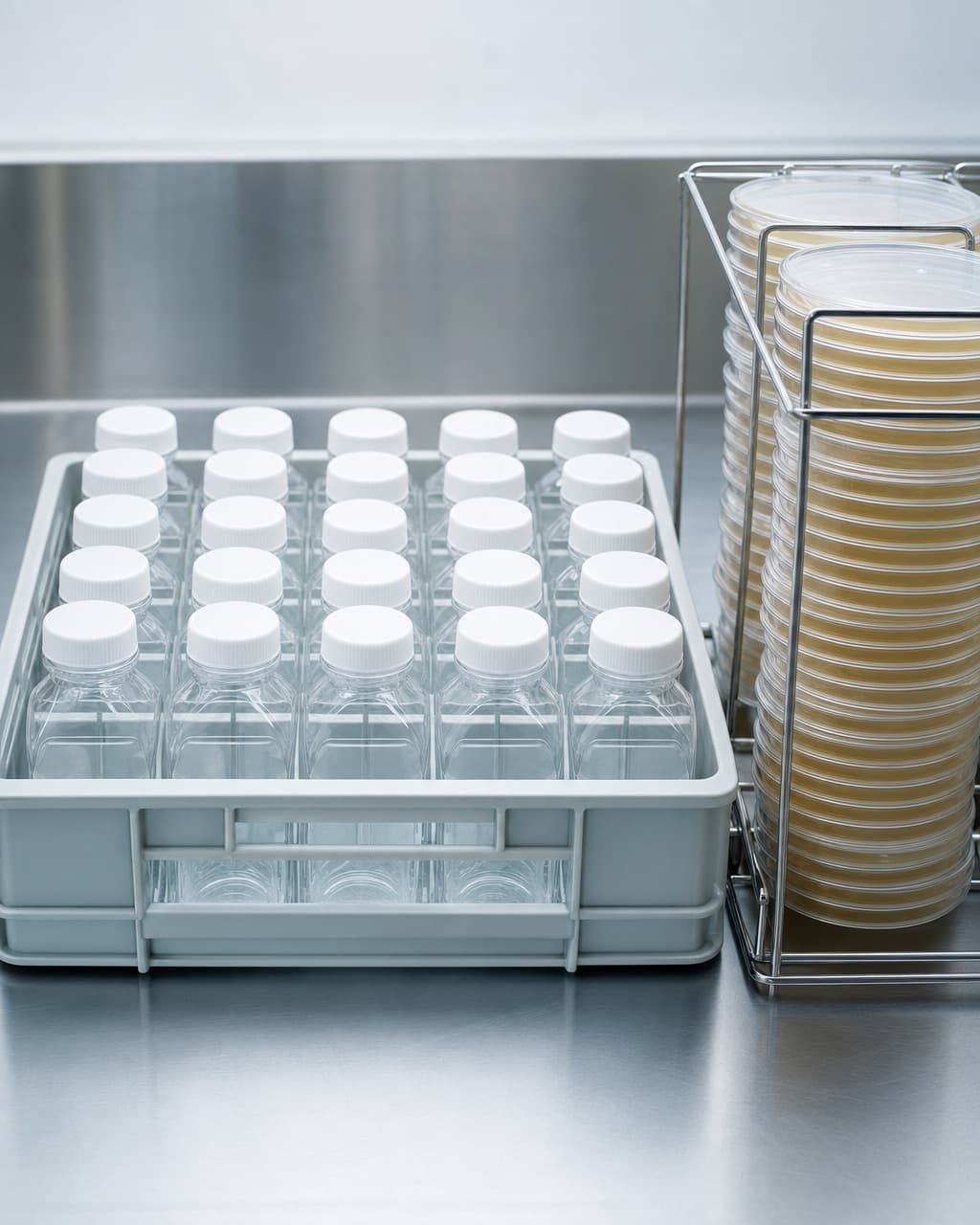
Laboratory
Bottles and plates

Service riser
Dead leg
The system, not the sample
Sampling measures one point on one day. Control is a set of conditions held all year: temperature at the outlets, no stagnant branches, a tower cleaned on a schedule someone signs. A program built on results alone reacts; a program built on conditions prevents.
Three questions that come up every time
How many sampling points does a building need?
There is no general answer, and anybody who gives you one has not seen your building. It depends on the size and complexity of the system, the occupancy, what your program specifies, and what previous results showed. It is settled on the schematic, as described under water management programs.
Is a test kit good enough?
For watching a trend between scheduled samples on a system already under a documented program, sometimes yes. If a decision rests on the number, it rests on culture. The trade-off is set out in the advice section.
Someone in the building is unwell. What do I do?
Contact a doctor and your local health department before you contact us. They will tell you what sampling they want, when, and by whom, and sampling ahead of that instruction can complicate an investigation rather than help it. What we do in that situation is on urgent requests.